









What do we do in these crazy times?
Inside, outside, I can feel it in my mind
In the ocean and the river
I can feel it in the tide
And all day, all night, in the rithim of the city
From the dusk to the dawn I can feel it flowing in me
Down by the river
Life flowing deeper
Tide growing stronger
No, you can't hold and hold the river
Inside my head I can hear it talking to me
Like the river to the ocean
I can feel it growing in me
And all day, all night, in the rithim of the city
From the dusk to the dawn I can feel it flowing through me
Down by the river
Life flowing deeper
Tide growing stronger
No, you can't hold and hold the river
Inside, outside, I can feel it in my mind In the ocean and the river
I can feel it in the tide
And all day, all night in the rithim of the city
From the dusk to the dawn I can feel it growing in me
Down by the river
Life flowing deeper
Tide growing stronger
No, you can't hold and hold the river
River, river flowing with the tide
River, river flowing with the tide
River, river flowing with the tide...
Nitin Sawhney ist ein britischer Musiker, Musikproduzent und Komponist indischer Herkunft, geboren 1965 in London. Er gilt als einer der Pioniere der elektronischen Fusionmusik und verbindet traditionelle indische Elemente mit Jazz-, Ambient- und Worldmusic-Klängen. Seine Musik zeichnet sich durch einen experimentellen und innovativen Ansatz aus, der neue musikalische Technologien und ungewöhnliche Instrumente erforscht. Im Laufe seiner Karriere hat Sawhney mit international renommierten Künstlern wie Björk, Nusrat Fateh Ali Khan und Massive Attack zusammengearbeitet. Er komponierte Soundtracks für Filme und Theaterstücke, darunter "The Buddha of Suburbia" von Hanif Kureishi und "East is East". Zu seinen wichtigsten Alben gehören "Beyond Skin" (1998), "India" (2003) und "Immigrant" (2010). Zu seinen bekanntesten Stücken zählen "The Last Emperor", "A Thousand Years" und "Sunrise". Sawhney erhielt zahlreiche Preise für seine Musik, darunter den Mercury Prize 1999.

 Lisa Maffia
 Kemuri
 Public Service Broadcasting
 The Yardbirds
 Marianne Faithfull
 Slowdive
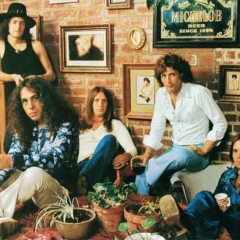 Rainbow
 Billie
 Mick Hucknall
 Kym Marsh
 Bad Company
 The Long Blondes