




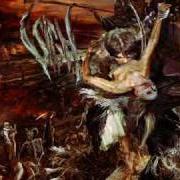
A black cloud covers the night,
I hear not a sound,
I see not a light,
Bodies on bodies (so cold with) their empty eyes, left unburied, waiting to be burned.
Fire on the filthy death is the only light that I can see,
no sign of life,
just the smell of death,
no sign of breath,
the line of the dead.
Death after death,
Impending demise,
Fire after fire,
Unwelcome demise,
Death after death,
Millions of bodies lie,
Fire after fire,
With hopeless cries.
Invisible shadows everywhere,
Raping and reaping the souls of millions,
Millions of demises and hopeless cries.
(With) their sharpened scythes, another dies.
The filth once alive,
left and shunned,
cold and silent,
Hunted and preyed,
to the dark we'll all be sent.
Burn the funeral fire high,
Burn it higher to the sky,
Burn the funeral fire, burn it up higher,
as bright as the sun for which we yearn,
Burn the funeral fire burn!
Burn it higher till (their) return!
Burn the funeral fire, burn it up higher,
But I know that I will wait for my turn,
Why should I?
A Black cloud covers the night,
I hear not a sound or see not a light,
Bodies on bodies (so cold with) their empty eyes,
Left unburied, waiting to be burned,
No more place to bury the sorrow,
In our sight (only) the fear to follow,
For us, the cursed, in this hell, there'll be no tomorrow
Sigh ist eine japanische Avantgarde-Metal/Black-Metal-Band, die seit 1990 aktiv ist. Gegründet von Mirai Kawashima gilt die Band als eine der einflussreichsten im japanischen extremen Metal-Szenen. Ihr Sound zeichnet sich durch den Einsatz klassischer, jazzaus und progressiver Rockelemente aus, die mit Black- und Death-Metal-Klängen vermischt werden. Sigh hat zahlreiche Studioalben veröffentlicht, darunter "Scorn Defeat" (1997), "Imaginary Sonicscape" (2003) und "Graveward" (2015). Zu den bekanntesten Stücken gehören "Shiki no Uta", "The End of the World" und "A Song for the Dead". Die Band hat mit Künstlern wie Merzbow und Boris zusammengearbeitet und trug zur Definition der Identität des japanischen Underground-Metals bei.

 Ellegarden
 Snorkel
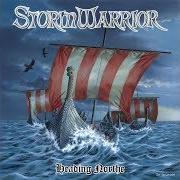 Stormwarrior
 Kahimi Karie
 Sunset Swish
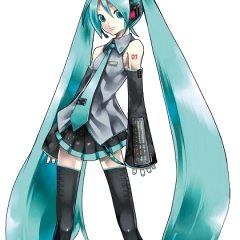 Hatsune Miku
 Bump Of Chicken
 Miyavi
 X Japan
 Little By Little
 Bloodbound
 Dreams Come True