



He had white horses
And ladies by the score
All dressed in satin
And waiting by the door
Ooooh, what a lucky man he was
Ooooh, what a lucky man he was
White lace and feathers
They made up his bed
A gold covered mattress
On which he was laid
Ooooh, what a lucky man he was
Ooooh, what a lucky man he was
He went to fight wars
For his country and his king
Of his honor and his glory
The people would sing
Ooooh, what a lucky man he was
Ooooh, what a lucky man he was
A bullet had found him
His blood ran as he cried
No money could save him
So he laid down and he died
Ooooh, what a lucky man he was
Ooooh, what a lucky man he was
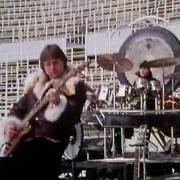
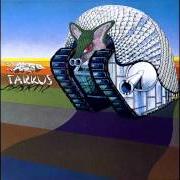
Emerson, Lake and Palmer (ELP) sind eine legendäre britische Progressive-Rock-Band, die 1970 gegründet wurde. Das Trio besteht aus Keith Emerson (Keyboard), Greg Lake (Gesang, Bass) und Carl Palmer (Schlagzeug). Als eines der ersten Supergroups des Progressive Rocks erlangten ELP internationale Bekanntheit für ihre komplexen orchestralen Arrangements, energiegeladenen Live-Auftritte und den innovativen Einsatz elektronischer Instrumente. Zu ihren wichtigsten Alben gehören "Emerson, Lake and Palmer" (1970), "Tarkus" (1971), "Pictures at an Exhibition" (1971) und "Brain Salad Surgery" (1973). Nach einer erfolgreichen Phase in den 1970er Jahren löste sich ELP 1978 auf. Eine kurze Reunion ohne Palmer fand 1985 unter dem Namen Emerson, Lake and Powell statt, gefolgt von einer vollständigen Reunion 1992, die zu neuen Alben und Tourneen bis zum späten 1990er führte. Zu den bekanntesten Songs von ELP gehören "Lucky Man", "Karn Evil 9", "Fanfare for the Common Man" und "Hoedown".

 Jem
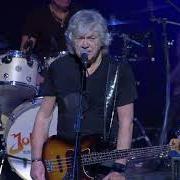 John Lodge
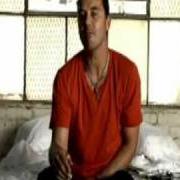 Gavin Rossdale
 Salem
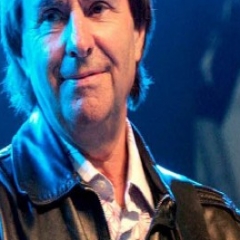 Chris De Burgh
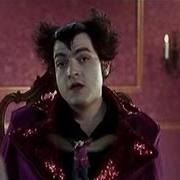 M
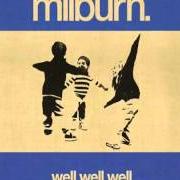 Milburn
 Oxide & Neutrino
 The Cribs
 Rumer
 Consumed
 Bis