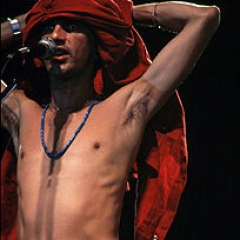





There may be trouble ahead
So while there's music and moonlight and love and romance
Let's face the music and dance
Before the fiddlers have fled
Before they ask us to pay the bill and while we still have the chance
Let's face the music and dance
Soon we'll be without the moon, humming a different tune and then
There may be teardrops to shed
So while there's moonlight and music and love and romance
Let's face the music and dance? dance
Let's face the music and dance?
Soon we'll be without the moon, humming a different tune and then
There may be teardrops to shed
So while there's moonlight and music and love and romance
Let's face the music and dance? dance
Let's face the music and dance?
Caetano Emanuel Viana Telles Veloso (Salvador, 7. April 1942) ist einer der einflussreichsten Singer-Songwriter Brasiliens. Als Sohn einer wohlhabenden Familie entdeckte er seine Leidenschaft für die Musik in jungen Jahren und widmete sich Bossa Nova und Rock. In den 1960er Jahren wurde er in Rio de Janeiro Teil der Tropicália-Bewegung, einer kulturellen Explosion, die traditionelle brasilianische Elemente mit internationalen Einflüssen wie Pop, Psychedelic und Jazz verband. Caetano Veloso ist bekannt für seine innovativen Melodien, poetischen Texte und seine unverwechselbare Stimme. Als Schlüsselfigur der Tropicália-Bewegung arbeitete er mit Künstlern wie Gilberto Gil, Tom Zé und Gal Costa zusammen. 1968 wurde er aufgrund der Militärzensur in Brasilien ins Exil nach London geschickt. Nach seiner Rückkehr produzierte er weiterhin erfolgreiche Musik und erkundete neue Genres wie World Music und Elektronik. Zu seinen bekanntesten Songs gehören "Alegria, Alegria", "Sozinho", "Sampa" und "O Leãozinho". Caetano Veloso gilt als brasilianische Kultfigur, deren Einfluss auf die Musik und Gesellschaft seines Landes tiefgreifend ist.

 Roberta Campos
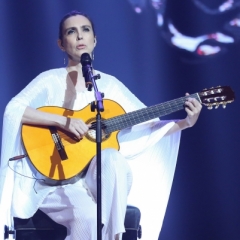 Adriana Calcanhotto
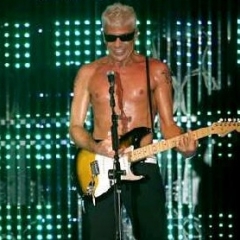 Lulu Santos
 Diogo Nogueira
 Diante Do Trono
 Charlie Brown Jr.
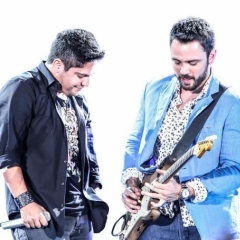 Jorge & Mateus
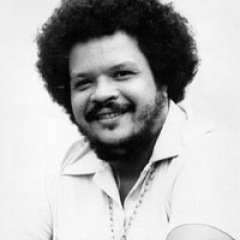 Tim Maia
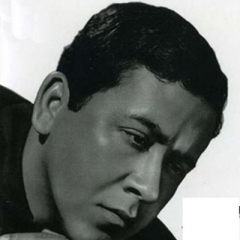 Altemar Dutra
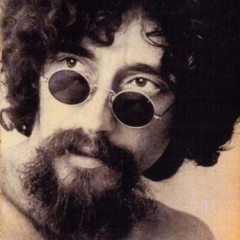 Raul Seixas
 Flavia Coelho
 Audio