




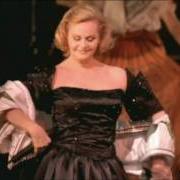
Te estoy queriendo
como a ti te gusta que te quieran.
Te estoy besando
como a ti te gusta que te besen.
Y mientras nuestras almas se sinceran
nuestros cuerpos unidos se estremecen.
Te estoy contando
lo que a ti te gusta que te cuenten.
Te estoy callando
lo que a ti te gusta que te callen.
Sabemos que los ojos nunca mienten
y dejamos que a miradas nos estallen.
Yo sé como a ti
te gustan las caricias
recorriendo lentamente tu sendero
y me duele cuando tú las desperdicias
a sabiendas de lo mucho que te quiero.
Yo sé como a ti te gusta casi todo
tus manos me dan tanto como piden
sin embargo, aún no sé cuál es el modo
como a ti te gusta que te olviden.
Yo sé como a ti
te gustan las caricias
recorriendo lentamente tu sendero
y me duele cuando tú las desperdicias
a sabiendas de lo mucho que te quiero.
Yo sé como a ti te gusta casi todo
tus manos me dan tanto como piden.
Sin embargo, aún no sé cuál es el modo
cómo a ti te gusta que te olviden.
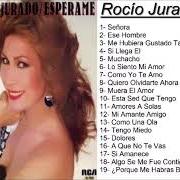
Rocío Jurado, geboren als María del Rocío Mohedano Jurado (1946-2006), war eine der größten Ikonen der spanischen Musik und Unterhaltung. Geboren in Chipiona, Andalusien, begann ihre musikalische Karriere in den 1960er Jahren mit einem Repertoire, das vom Flamenco bis zum lateinamerikanischen Pop reichte. Bekannt als „La Faraona“ für ihren Charme und ihre imposante Bühnenpräsenz, verkaufte Rocío Jurado Millionen von Platten weltweit und wurde zu einer beliebten Figur nicht nur in Spanien, sondern auch in Lateinamerika. Neben der Musik wagte sie sich erfolgreich ins spanische Kino und Fernsehen und erhielt zahlreiche Preise und Auszeichnungen für ihre Rollen. Zu ihren bekanntesten Liedern gehören „Como el agua“, „Se me enamora“ und „A mi manera“. Ihr musikalisches Erbe inspiriert bis heute Generationen von Künstlern in Spanien und darüber hinaus.

 El Sueño De Morfeo
 Cecilia Krull
 Diabulus In Musica
 Idaira
 Kaydy Cain
 Nancys Rubias
 Sofia Ellar
 Rosana
 Lolita
 Adrián Rodríguez
 Juan Magán
 Kiko & Shara