





This government had an idea
And parliament made it law
It seems like it's illegal
To fight for the union any more
Which side are you on, boys?
Which side are you on?
Which side are you on, boys?
Which side are you on?
We set out to join the picket line
For together we cannot fail
We got stopped by police at the county line
They said, "Go home boys or you're going to jail"
Which side are you on, boys?
Which side are you on?
Which side are you on, boys?
Which side are you on?
It's hard to explain to a crying child
Why her Daddy can't go back
So the family suffer
But it hurts me more
To hear a scab say Sod you, Jack
Which side are you on, boys?
Which side are you on?
Which side are you on, boys
Which side are you on?
I'm bound to follow my conscience
And do whatever I can
But it'll take much more than the union law
To knock the fight out of a working man
Which side are you on, boys?
Which side are you on?
Which side are you on, boys?
Which side are you on?
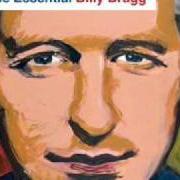
Billy Bragg ist ein britischer Singer-Songwriter, Gitarrist und Aktivist, geboren 1957 in Barking, Essex. Seine Musik kombiniert Elemente aus Folk, Punk und Soul mit politisch und sozial engagierten Texten, die der Tradition der Protestmusik entsprechen. Bragg begann seine musikalische Karriere in den 1980er Jahren und wurde von Künstlern wie Woody Guthrie und Bob Dylan beeinflusst. Sein direkter Stil und seine prägnanten Songs haben ihm ein breites Publikum beschert und ihn zu einem der wichtigsten britischen Singer-Songwriter gemacht. Zu seinen bekanntesten Alben gehören "Brewing Up a Storm" (1986), "Talking with the Taxman About Poetry" (1989) und "Mermaid Avenue" (1998), eine Zusammenarbeit mit Wilco und Ralph Stanley, die unveröffentlichte Songs von Woody Guthrie neu interpretiert. Bragg ist auch ein politisch aktiver Aktivist, der sich für die Rechte der Arbeiter und gegen soziale Ungerechtigkeit einsetzt. Seine Musik spiegelt stets seine Weltanschauung und sein zivilgesellschaftliches Engagement wider.

 E
 Billie Myers
 Nero
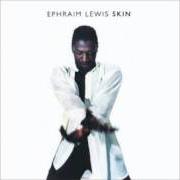 Ephraim Lewis
 65Daysofstatic
 Nomeansno
 Cleopatra
 Angel Witch
 Ryan Molloy
 John Wetton
 Nafe Smallz
 Carina Round