



I was looking for something in the closet,
I was sure it would be there.
But to my surprise it wasnt there
And I had to look all over the world.
I was telling anybody I need to find it now,
Its very important to find it now.
I wasnt surprised that they didnt care,
And I had to look for it myself.
Where is it? where is it?
Oh, where could it be?
Why dont you help me look for it?
Why dont you help me look for it?
I kept on looking for the thing they say was there,
But I couldnt find it anywhere.
And to my dismay, I didnt even remember
What I was supposed to look for anyway.
What is it? what is it?
Oh, what could it be?
Why dont you tell me what it is?
Why dont you tell me what it is?
I was looking for something I knew was in my head,
I wasnt sure if it were dead.
But to my dismay, it was still there,
I had to close the door real fast.
What did I do? what did I do?
Oh, what did I do?
Why didnt I look in the closet instead?
Why didnt I look in the closet instead?
I was looking for my head in the closet,
I was sure it would be there.
But to my surprise it wasnt there
And I had to look all over the world.
Where is it? where is it?
Oh, where could it be?
Why dont you help me look for it?
Why dont you help me look for it?
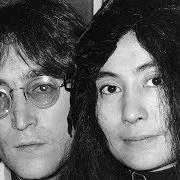
Yoko Ono (Tokio, 18. Februar 1933) ist eine japanisch-amerikanische Sängerin, Songwriterin, bildende Künstlerin und Aktivistin. Als ikonische Figur der experimentellen Kunstbewegung der 1960er Jahre arbeitete Ono eng mit John Lennon zusammen, was ihre künstlerische und musikalische Aktivität tiefgreifend beeinflusste und die Popkultur nachhaltig prägte. Ono's Werk umfasst Musik (mit Alben wie "Plastic Ono Band" und "Fly", oft geprägt von experimentellen Sound Performances), Konzeptkunst, Skulptur und Film. Zu ihren bekanntesten Songs gehören "Give Peace a Chance", "Imagine" (in Zusammenarbeit mit Lennon) und "Walking on Thin Ice". Ihre künstlerische Tätigkeit war oft umstritten, trug aber zur Revolutionierung des modernen Kunstbegriffs bei.

 Galneryus
 Chiaki Ishikawa
 Buono!
 Greeeen
 X Japan
 Reol
 Loudness
 Glay
 Intensity
 Abingdon Boys School
 D-51
 Goot