



I see your face looking into the space,
All tired and worried.
Why does it have to be like this, you and i,
I wanted us to be happy.
No one can see me like you do.
No one can se you like I do.
I see your face with a trace of life,
Being a wife and a woman.
If I ever hurt you, please, remember,
I wanted you to be happy.
Is there anything I want more,
More than your trust and understanding?
No one can see me like you do.
No one can se you like I do.
I wanna quit moving,
I wanna quit running,
I wanna relax and be tender.
I wanna see us together again,
Rocking away in our walnut chairs.
Even with your warmth and closeness,
The feeling of loneliness hangs over like a curse.
No one can see me like you do.
No one can se you like I do.
Even with our dreams and yearnings,
The feeling of loneliness hangs over like a thirst.
No one can see me like you do.
No one can se you like I do.
No one can see me like you do.
No one can se you like I do.
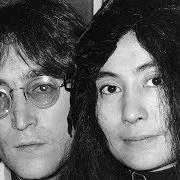
Yoko Ono (Tokio, 18. Februar 1933) ist eine japanisch-amerikanische Sängerin, Songwriterin, bildende Künstlerin und Aktivistin. Als ikonische Figur der experimentellen Kunstbewegung der 1960er Jahre arbeitete Ono eng mit John Lennon zusammen, was ihre künstlerische und musikalische Aktivität tiefgreifend beeinflusste und die Popkultur nachhaltig prägte. Ono's Werk umfasst Musik (mit Alben wie "Plastic Ono Band" und "Fly", oft geprägt von experimentellen Sound Performances), Konzeptkunst, Skulptur und Film. Zu ihren bekanntesten Songs gehören "Give Peace a Chance", "Imagine" (in Zusammenarbeit mit Lennon) und "Walking on Thin Ice". Ihre künstlerische Tätigkeit war oft umstritten, trug aber zur Revolutionierung des modernen Kunstbegriffs bei.

 Smap
 Deen
 Dope Stars Inc.
 Scandal
 Yoko Ishida
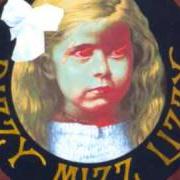 Dizzy Mizz Lizzy
 Koda Kumi
 Koharu Kusumi
 Arashi
 Kyary Pamyu Pamyu
 I Wish
 Hair